RSG 3-D's non-combustible panel system offers a financially competitive alternative to conventional construction that delivers wildfire, earthquake, and hurricane resilience.
The federal government's retreat from climate adaptation has created a gap in data, funding, and coordination, but a new decentralized ecosystem of nonprofits, state governments, and coalitions is stepping up to fill the void and may prove more resilient to political disruption in the long run.
As federal disaster support shrinks, resilience districts offer local governments a promising new financing tool to fund climate adaptation on their own terms.
The Weekly: The Real Infrastructure Behind the Cloud
From hurricane- and flood-prone coasts to Tornado Alley spanning the central U.S., the map of American data centers increasingly resembles a target board for extreme weather.
Insights & ideas on resilience straight to your inbox. Were you forwarded this email? → Subscribe here
As the artificial intelligence gold rush drives a massive surge in data center construction—with the U.S. industry expected to hit $309 billion by 2030—we are pouring concrete and silicon into some of the most climate-vulnerable regions on Earth, and the implications extend far beyond tech companies.
When data centers fail, they take down critical services that communities, governments, and businesses use daily. Just last week, a cooling system malfunction at a data center in Illinois knocked out the system of CME Group, the world’s largest exchange operator, disrupting global markets for hours.
The physical reality of “the cloud” is far heavier, hotter, and more grounded than its name suggests. A report released this summer by XDI analyzed nearly 9,000 operational and planned data centers worldwide and reveals mounting climate risks. From hurricane- and flood-prone coasts to Tornado Alley spanning the central U.S., the map of American data centers increasingly resembles a target board for extreme weather.
This disconnect between capital allocation and climate reality poses what the World Economic Forum (WEF) calls the "$3.3 trillion dollar question": can data centers adapt to a changing climate? (WEF estimates that the cumulative global cost of climate-driven inefficiencies and damages to data centers could be $3.3 trillion by 2055.)
Here are three key takeaways from the XDI report:
Data centers are only as resilient as the infrastructure around them
"The most resilient data centre is only as secure as the infrastructure it depends on—roads, water supply, and communications links—which are themselves vulnerable to climate hazards," notes XDI in their release. When evaluating data center projects for climate risk, assessments must extend beyond individual facilities to evaluate the entire ecosystem of supporting power grids, water networks, road access, and telecommunications infrastructure.
Insurance markets are responding to growing data center vulnerability
The cracks in our digital armor are already showing. In October 2013, flooding caused by Hurricane Sandy took out a data center in Lower Manhattan that served AOL’s Huffington Post and other high-profile organizations. Severe flooding from Hurricane Helene in 2024 ironically shut down the National Centers for Environmental Information’s Asheville data center, which maintains U.S. and global climate data. As a result of growing vulnerability, XDI finds that insurance for data centers in high-risk locations like New Jersey (which is prone to coastal inundation and surface water flooding) is on track to become prohibitively expensive, or be withdrawn entirely.
Targeted resilience investments can dramatically reduce risk
XDI finds that targeted structural adaptations can dramatically improve resilience. Retrofits like flood barriers, better drainage systems, and stronger roofs could reduce high-risk facilities by 72% by 2050, bringing down insurance costs. Equinix's Miami data center is an example of a facility built for maximum resilience—it sits elevated 14 feet above sea level, with critical infrastructure positioned an additional 18 feet higher, creating 32 feet of clearance against a storm surge. The building features reinforced walls and design specifications to withstand Category 5 hurricane winds, while battery systems activate instantly during outages, followed by generators capable of powering operations for days.
A resilient cloud depends on sturdy ground, which includes the roads, pipes, powerlines, and people who keep the cloud aloft. To safeguard the digital systems that underpin our economies and communities, investment in resilience has to come now, not after disaster forces the issue.
Climate Change Is Already Costing U.S. Households Up to $900 Per Year | Heatmap | A new paper finds that Americans are already absorbing tens of billions in extra costs annually. What’s most striking: more than half of those added expenses come through rising insurance premiums, especially in disaster-prone zones.
Who Pays for a Resilient Grid? | The Ad Hoc Group | The Open Circuit podcast examines the U.S. power grid’s trillion‑dollar planned overhaul by 2030. How much is actually going toward resilience, and who’s footing the bill?
Read more about resilient public infrastructure and government solutions on The Epicenter here.
Real Estate & Construction
Boston Awards Climate-Ready Housing Grants | Smart Cities World | Boston is trying to stay ahead of the climate curve by funding housing that is built or retrofitted for both energy efficiency and resilience. It underscores a shift in real estate: resilience is becoming a core criterion for new development.
Zillow Removes Climate Risk Scores From Home Listings | New York Times | After adding climate risk scores to homes in 2024, Zillow has quietly removed the feature following complaints from both homeowners and the real estate industry that the data was inaccurate and hurting sales.
Read more about resilient real estate on The Epicenter here.
Private Investment
This Startup Using Drones to Rebuild Power Lines Netted $91 Million | Latitude Media | Infravision is moving to rebuild the aging U.S. grid and protect it from storms with drone fleets capable of stringing power lines, reducing outages, and improving emergency response.
Turning Blueprints Into Billions: COP30 Pushes for Investible Adaptation Plans | Climate Proof | One of several refrains coming out of COP30: “Make National Adaptation Plans Investible.” Climate Proof digs into what it would mean for investors to help fill the financing gap for developing countries’ adaptation plans.
Resilience as Local Infrastructure: How Small Businesses Anchor Climate‑Ready Economies | The Epicenter Editors | When extreme weather disrupts communities, small businesses often wind up being the first responders and first casualties. Investing in small business resilience can translate into fewer closures, less unemployment, faster recovery, and stronger local spending after disasters strike.
Preparing for Multiple Disasters | The Epicenter Editors | Unexpected disasters are causing damage in unlikely places, forcing decision-makers in the public and private sectors to prepare for the most common disasters in their region as well as the rare, once-in-a-hundred-year ones. But strategies exist to help decision-makers prepare for the unexpected.
The Statistic of the Week
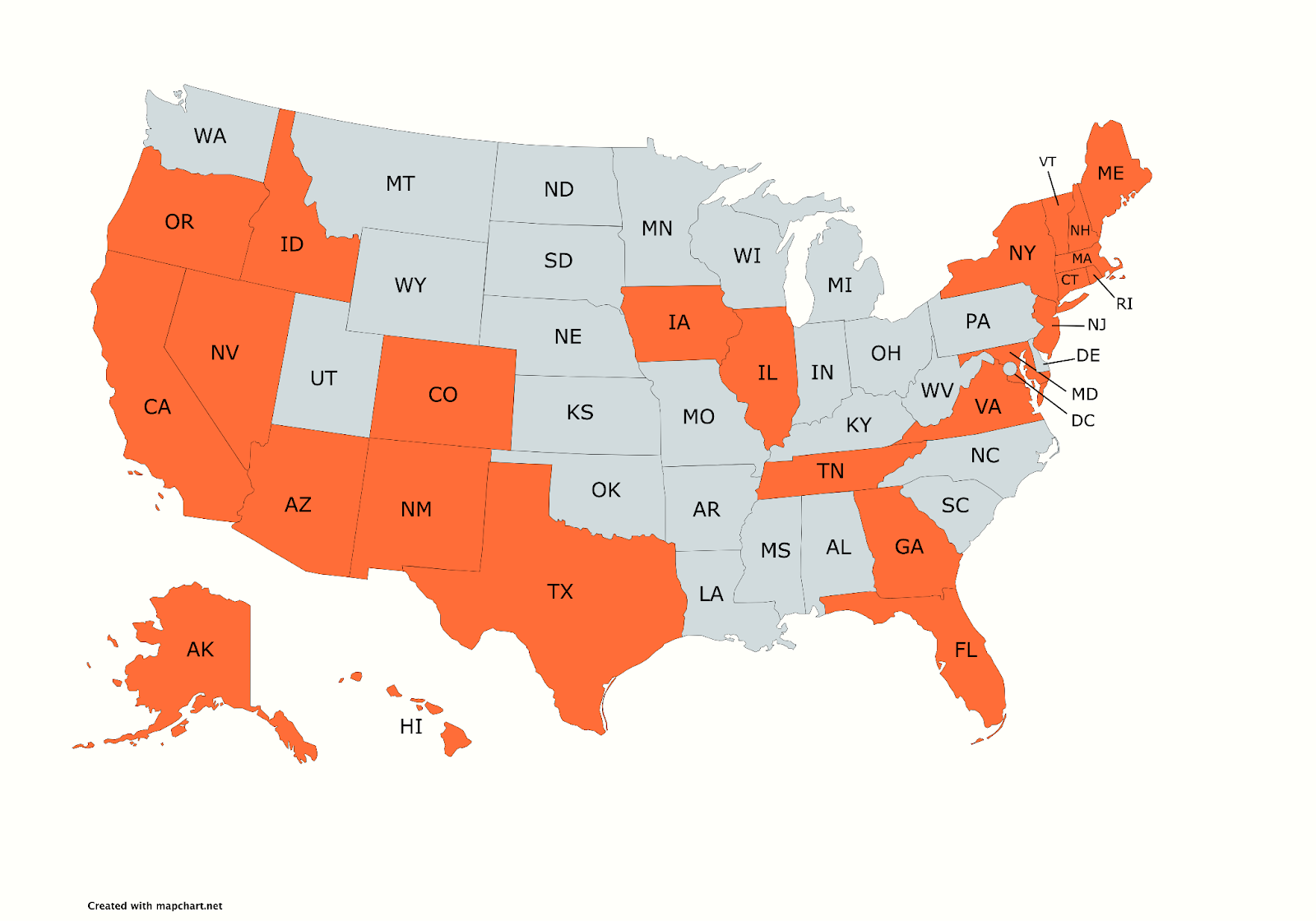
25 states
25 states have introduced legislation to improve climate adaptation, including flood preparedness, extreme-heat protections, and wildfire resilience.
Have thoughts to share or want to add your voice to the conversation? Reach out!
The Epicenter helps decision makers understand climate risks and discover viable resilience solutions. The Epicenter is an affiliated publication of The Resiliency Company, a 501(c)3 nonprofit dedicated to inspiring and empowering humanity to adapt to the accelerating challenges of the next 100+ years.
RSG 3-D's non-combustible panel system offers a financially competitive alternative to conventional construction that delivers wildfire, earthquake, and hurricane resilience.
The federal government's retreat from climate adaptation has created a gap in data, funding, and coordination, but a new decentralized ecosystem of nonprofits, state governments, and coalitions is stepping up to fill the void and may prove more resilient to political disruption in the long run.
As federal disaster support shrinks, resilience districts offer local governments a promising new financing tool to fund climate adaptation on their own terms.
Resilience districts give local governments a new financing mechanism to fund climate adaptation, but their success depends on applying a forward-looking, risk-informed approach rather than defaulting to traditional bond financing logic.