The Epicenter’s three-part home catalogs series from Alexis M. Pelosi and Robin Keegan describes how we arrived at the current moment and explores what it means for the future of housing after disasters and in communities facing disinvestment, outdated zoning, or housing supply constraints.
The same principles that accelerate disaster recovery can address housing supply constraints, urban disinvestment, and affordability challenges in any market.
Los Angeles is pioneering a new disaster recovery model that combines cross-sector collaboration, AI-powered coordination technology, and pre-approved wildfire-resilient home catalogs.
The Weekly: Why Construction Sites Need Resilience Planning
Most conversations about climate resilience in commercial real estate development happen when designing new structures to withstand future storms or when repairing or retrofitting existing ones after disaster strikes. Far less attention is paid to the in-between stage: the active construction site.
Insights & ideas on resilience straight to your inbox. Were you forwarded this email? → Subscribe here
The majority of climate resilience discussions in commercial real estate (CRE) development occur during two phases: when planning new buildings to endure future extreme weather events or when fixing and upgrading existing properties after disasters strike.
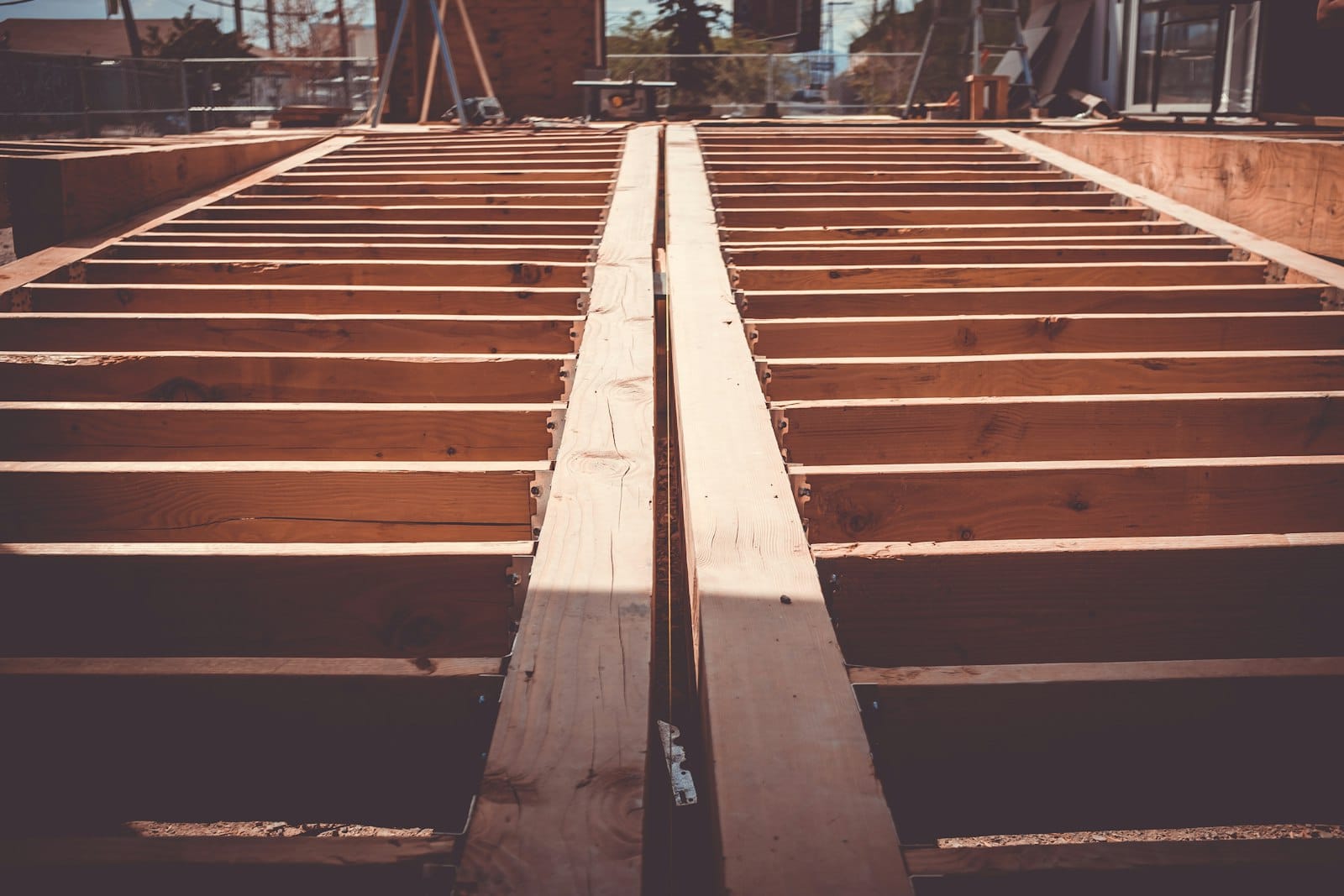
Much less focus is given to what happens during the intermediate phase: the active construction site, with its unfinished roofs, unsealed windows, and materials exposed to the elements.
This is the most vulnerable moment in the development pipeline, in part because "construction sites are highly choreographed events," says Joe Rozza, Chief Sustainability Officer at the real-estate developer Ryan Companies. Each trade arrives in precise sequence, timed to material availability and the completion of prior work. One hiccup can reverberate through the whole system.
In a recent interview with The Epicenter, Rozza explains what happens when a major storm hits mid-construction, how the industry can better prepare for natural disasters, and why CRE leaders should give as much weight to their works in process as they do to projects on either end of the building spectrum.
The Domino Effect of Construction Disruption
When Hurricane Ian hit Florida in September 2022, it wrecked two of Ryan Companies’ in-process senior living facilities. Wind-driven rain soaked drywall, mechanical systems, and interior finishes; work that had already passed inspection needed to be redone, throwing off the project timeline.
Schedule delays stretched to 70 days. Material pricing guarantees expired, and pre-ordered materials kept arriving with nowhere to go, adding storage costs to the construction tab and creating logistical headaches.
The final tally: One project incurred $3.5 million in insurance claims, with $1 million paid out of pocket; the second saw $1.6 million in insurance claims and $620,000 also paid out of pocket.
Those trends aren’t unique to Ryan Companies; weather-related delays now affect an estimated 45% of construction projects globally, translating to billions in added costs and lost revenue.
Resilience Strategies For Construction Sites
The Risk Mitigation Playbook for commercial real estate, created by a coalition including The Resiliency Company and Ryan Companies, offers practical strategies to improve resilience during this too-often overlooked construction phase.
"You might have slightly more upfront costs to manage the risk," Rozza notes. "But you've got to think about what you're saving on the back end."
Had these strategies existed in 2022, says Rozza, the outcomes in Florida could have looked very different.
Managing Climate Risk Through Climate Adaptation | Probable Futures | As climate impacts accelerate, Probable Futures argues that adaptation is no longer optional. This explainer outlines how insurers, governments, and businesses can reduce long-term losses by investing in adaptation upfront.
Trump Targets America’s Weather Nerve Center | Moving Day | Cuts to NOAA and federal weather forecasting systems could weaken the country’s ability to predict and respond to climate-driven disasters. Susan Crawford argues that undermining this public infrastructure would ripple through insurance markets, emergency response, and local resilience planning.
Satellites Show Dozens of U.S. Dams Are Sinking. More Could Be at Risk. | The Washington Post | Across the country, aging dams are subsiding under pressure from sediment buildup, extreme rainfall, and deferred maintenance. The Post’s reporting highlights how climate change is compounding long-standing infrastructure risks, raising concerns about downstream flooding and dam failure.
‘Worst I’ve Ever Seen It’: Bay Area Flooding Closes Roads, Strands Motorists | San Francisco Chronicle | Winter’s king tides are once again flooding roads, neighborhoods, and transit corridors along the Bay Area coast. Routine tidal flooding offers a preview of future sea-level rise, a growing test for local infrastructure planning.
Read more about resilient public infrastructure and government solutions on The Epicenter here.
What Happens When Disaster Recovery Becomes a Luxury Good | Grist | This piece explores how insurance gaps, rising construction costs, and uneven aid are turning resilience into a privilege, leaving lower-income communities stuck in cycles of loss as private companies increasingly take over disaster response from federal services.
Read more about resilient real estate on The Epicenter here.
Private Investment
The Wackiest Climate Tech Investments of 2025 | Heatmap | A fun round-up of the most unconventional climate tech bets of the year, including terraforming robots designed to reduce flooding by building up low-lying land in flood zones.
Adaptation Tech Finds a Foothold in VC—But LPs Still Need Convincing | Climate Proof | Venture capital is slowly warming to climate adaptation technologies such as flood modeling and heat-resilience tools. But limited partners remain cautious, highlighting the ongoing challenge of proving that adaptation can deliver both climate impact and competitive returns.
Why Remediation Is the First Step to Real Resilience | The Epicenter Editors | As the climate crisis exposes broader swaths of the U.S. to severe weather, responsible future-proofing strategies must account not only for fortified development but also for comprehensive cleanup. Real resilience can't exist without effective remediation first.
Four States Leading the Way on Flood Resilience | Erin Delawalla | From Iowa's pioneering flood-monitoring network to North Carolina's comprehensive resilience blueprint, states are demonstrating what's possible when local leaders take ownership of their climate futures.
Five Pillars of Climate-Adaptive Insurance | The Epicenter Editors | An adaptation-minded property insurance system means safer, healthier, more resilient communities and economies that can both prepare for and recover from climate disasters in an affordable, sustainable, equitable way.
The Statistic of the Week
7:1
At 2°C of warming, the benefits of resilience spending to defend against heat and extreme weather outweigh costs by seven to one.
Have thoughts to share or want to add your voice to the conversation? Reach out!
The Epicenter helps decision makers understand climate risks and discover viable resilience solutions. The Epicenter is an affiliated publication of The Resiliency Company, a 501(c)3 nonprofit dedicated to inspiring and empowering humanity to adapt to the accelerating challenges of the next 100+ years.
The Epicenter’s three-part home catalogs series from Alexis M. Pelosi and Robin Keegan describes how we arrived at the current moment and explores what it means for the future of housing after disasters and in communities facing disinvestment, outdated zoning, or housing supply constraints.
The same principles that accelerate disaster recovery can address housing supply constraints, urban disinvestment, and affordability challenges in any market.
Los Angeles is pioneering a new disaster recovery model that combines cross-sector collaboration, AI-powered coordination technology, and pre-approved wildfire-resilient home catalogs.
The lack of standard home rebuilding playbooks, combined with the uneven delivery of federal disaster recovery funding, has led to fragmented rebuilding efforts over the past few decades. However, disaster recovery has evolved to more systematic approaches using pre-approved home plan catalogs.