

The Weekly: How Data and Tools Enable Cities to Adopt Resilience at Scale
Cool roofs, permeable paving, green stormwater infrastructure, and strategic tree planting have all proven to reduce heat and flooding.
Cool roofs, permeable paving, green stormwater infrastructure, and strategic tree planting have all proven to reduce heat and flooding.

Several drivers are contributing to the rise in expensive severe convective storms: 1) population growth in high-risk areas; 2) non-resilient physical assets; and 3) rising building premiums.
Population growth in areas prone to severe storms has increased asset exposure and the physical assets in harm's way are not designed to withstand high winds or hail. Meanwhile, building premiums to rebuild after severe storms are increasing.
The Epicenter’s three-part home catalogs series from Alexis M. Pelosi and Robin Keegan describes how we arrived at the current moment and explores what it means for the future of housing after disasters and in communities facing disinvestment, outdated zoning, or housing supply constraints.

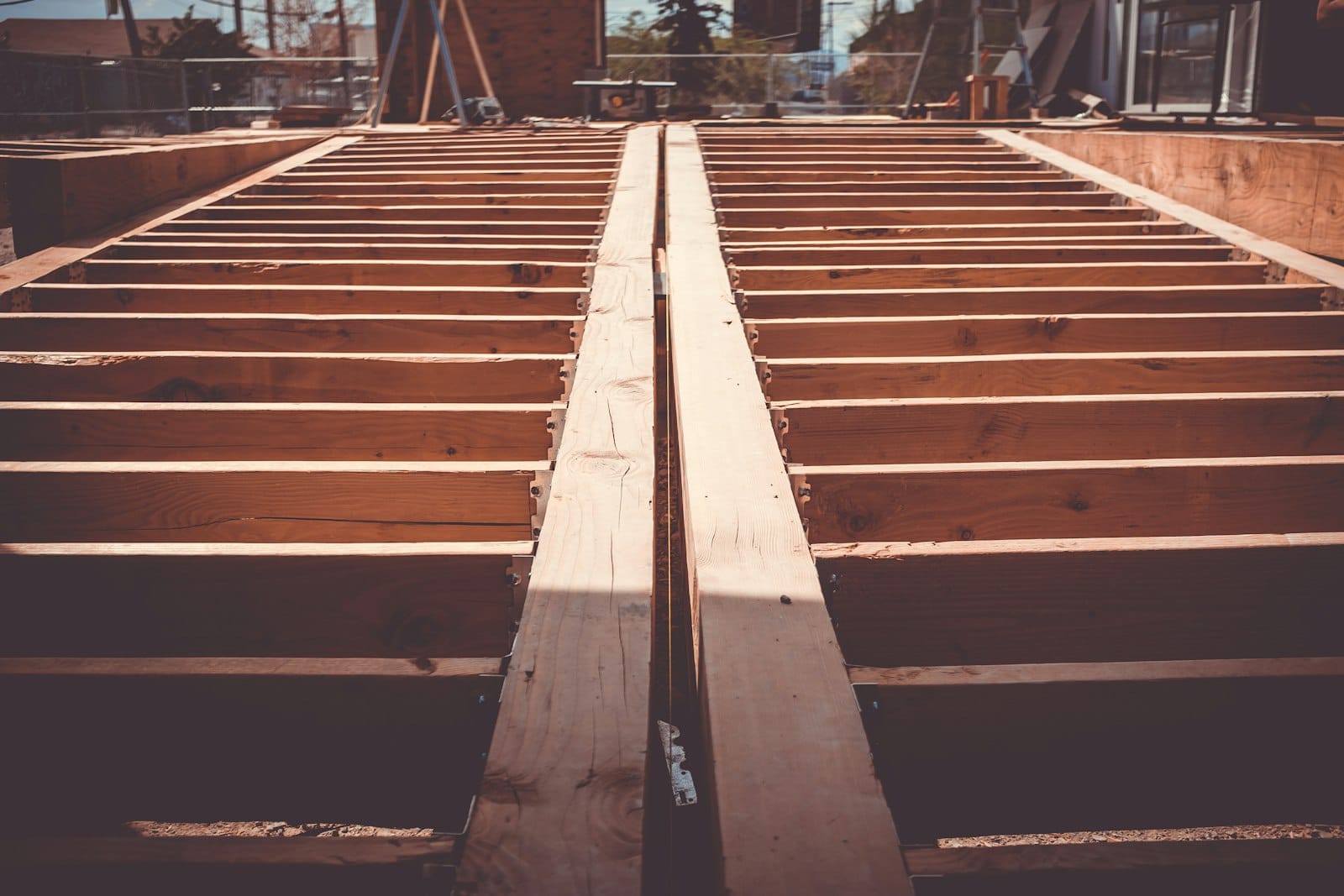
One year after wildfires devastated Los Angeles, a new approach to rebuilding post-disaster is gaining momentum, offering a potential blueprint for other communities to follow. Stakeholders and builders are developing pre-approved home plans to shorten rebuilding timelines, reduce costs, and embed resiliency across burn areas.
The Epicenter’s three-part home catalogs series from Alexis M. Pelosi and Robin Keegan describes how we arrived at the current moment and explores what it means for the future of housing after disasters and in communities facing disinvestment, outdated zoning, or housing supply constraints.
Part 1: The Evolution of Home Rebuilding Catalogs
The lack of standard home rebuilding playbooks, combined with the uneven delivery of federal disaster recovery funding, has led to fragmented post-disaster rebuilding efforts in the past. However, disaster recovery has evolved to more systematic approaches using pre-approved home plan catalogs.
Read more here.
Part 2: How Los Angeles Is Reinventing Post-Disaster Rebuilding
On paper, Los Angeles faces a unique rebuilding challenge after the 2025 wildfires: 12,000 structures scattered across irregular parcels and complex topography. Yet on the ground, a different model is emerging, one that combines cross-sector collaboration, AI-powered coordination technology, and pre-approved wildfire-resilient home catalogs.
Read more here.
Part 3: Home Catalogs as a National Housing Solution
The innovations driving LA's recovery could address housing challenges outside of the disaster-recovery context. Pre-approved home catalogs can help reverse decades of disinvestment, expose outdated zoning barriers, and make housing nationwide more climate resilient.
Read more here.
Read more about insurance on The Epicenter here.
Read more about resilient public infrastructure and government solutions on The Epicenter here.
Read more about resilient real estate on The Epicenter here.
Read more about private investment on The Epicenter here.

75%
About 75% of FEMA’s flood risk maps are outdated due to a lack of funding.
Source: NBC.
Have thoughts to share or want to add your voice to the conversation? Reach out!
The Epicenter helps decision makers understand climate risks and discover viable resilience solutions. The Epicenter is an affiliated publication of The Resiliency Company, a 501(c)3 nonprofit dedicated to inspiring and empowering humanity to adapt to the accelerating challenges of the next 100+ years.

In this edition of The Weekly, we share a condensed version of a new article by Abby Ross, CEO of The Resiliency Company, on the four convictions underpinning the opportunities in the Adaptation Economy.

Four convictions drive an evolving investment thesis in the adaptation economy: 1) The adaptation economy is large and growing; 2) Resilience makes for more durable investments; 3) Investors see predictable growth and opportunity in the adaptation economy; 4) It’s still early and underserved.

RSG 3-D's non-combustible panel system offers a financially competitive alternative to conventional construction that delivers wildfire, earthquake, and hurricane resilience.

The federal government's retreat from climate adaptation has created a gap in data, funding, and coordination, but a new decentralized ecosystem of nonprofits, state governments, and coalitions is stepping up to fill the void and may prove more resilient to political disruption in the long run.