

The Weekly: "Wood Utility" Facilities Could Improve Wildfire Resilience
Treating wood as a public utility, rather than a waste product, could reduce fire risk, support insurer re-entry, and unlock economic value that currently goes up in smoke.
Treating wood as a public utility, rather than a waste product, could reduce fire risk, support insurer re-entry, and unlock economic value that currently goes up in smoke.

Treating wood as a public utility, rather than a waste product, could reduce fire risk, support insurer re-entry, and unlock economic value that currently goes up in smoke.
Cool roofs, permeable paving, green stormwater infrastructure, and strategic tree planting have all proven to reduce heat and flooding.
Treating wood as a public utility, rather than a waste product, could reduce fire risk, support insurer re-entry, and unlock economic value that currently goes up in smoke.

Insights & ideas on resilience straight to your inbox.
Were you forwarded this email? → Subscribe here
In Sonoma County, California, 10 million board feet of timber went unharvested last year. That’s the equivalent amount of lumber needed to build 500 single-family homes.
There’s one big reason why: There was nowhere to process the wood. Instead, that woody biomass stayed in the forest, adding to the wildfire risk that has pushed home insurance rates in Sonoma County up 40% (between 2014 and 2024), which is the biggest jump in the Bay Area.
Temra Costa, executive director of Regenerative Forest Solutions, is trying to change that. Her organization’s Timbershed initiative is in due diligence to acquire Berry's Sawmill in Cazadero, a permitted industrial facility that Costa describes as irreplaceable. "Revitalizing older infrastructure with existing permits in place is the fastest route to being operational,” she says.
Timbershed would function as what Costa calls a “wood utility”: infrastructure that takes in raw woody biomass and outputs building materials and wood products. The facility aims to specialize in Douglas fir, small-diameter redwood, and local hardwoods, with an open-source material traceability framework. That way, architects, builders, and buyers could verify the ecological origins of what they're purchasing and ensure they’re working with sustainably sourced materials.
The need for this type of wood management infrastructure in California is clear. The state has to grow its sawmill infrastructure by 95 percent to meet its wildfire reduction goals. Instead, it’s been moving in the opposite direction: State regulations have made it cheaper to mill wood in Oregon or Idaho and ship it into California than to operate in-state. Case in point: A biomass processing facility in Weed, California, that employed 140 people recently closed.
Woody biomass, when converted into durable wood products, can offset the cost of forest treatments by 39% to 50%, Costa says. But that upside only materializes with infrastructure to capture it. Wood utilities are an early-mover opportunity for investors with conservation values, or exposure to fire-prone geographies, and a willingness to think in longer arcs. Every forested area has biomass to manage and, ideally, each would have a dedicated processing facility. However, the model doesn't fit neatly into existing ways of allocating capital.
"We're going to have to find those aligned, unique private investors and philanthropists in our area that have a stake in the game—they have homes in these rural places, or they understand the conservation value of proactively stewarded forests," says Costa. “But ultimately, we need concessionary finance to get this rolling, and the most likely place to kickstart this work is through state grant programs.”
Forest biomass grows four to eight percent annually, depending on conditions. For insurers reconsidering market exposure, public officials managing shrinking budgets, and investors looking for opportunities in fire-prone areas, it’s worth considering whether the cost of building wood management infrastructure is lower than the cost of continuing without it.
Read more about how the wood utility model could impact insurers, real estate, public infrastructure, and private investors in our full article here.
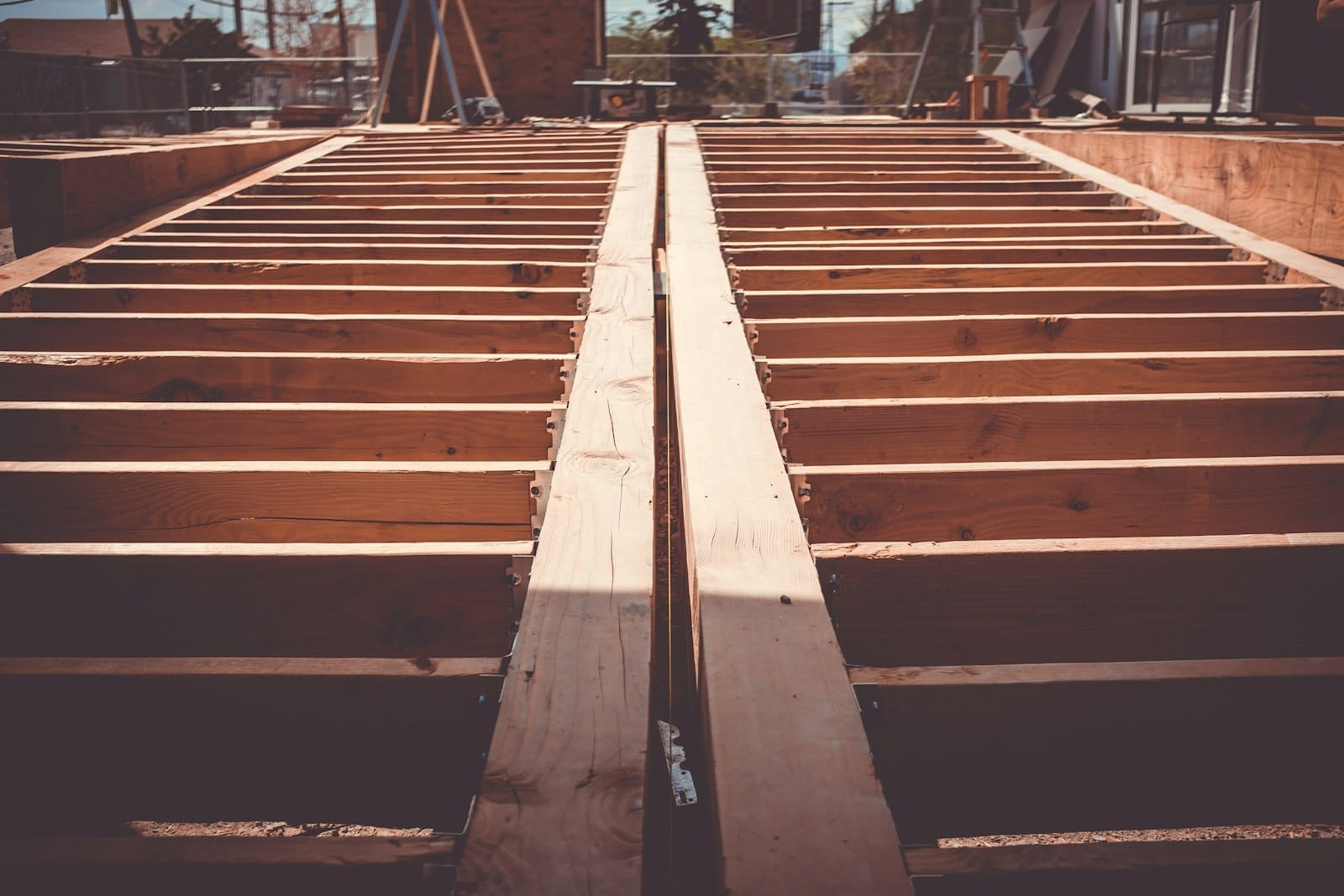
Read more about insurance on The Epicenter here.
Read more about resilient public infrastructure and government solutions on The Epicenter here.
Read more about resilient real estate on The Epicenter here.
Read more about private investment on The Epicenter here.

1 month
On average, climate-related disasters wipe out the equivalent of one month of construction investment each year.
Source: National Institute of Building Sciences
Have thoughts to share or want to add your voice to the conversation? Reach out!
The Epicenter helps decision makers understand climate risks and discover viable resilience solutions. The Epicenter is an affiliated publication of The Resiliency Company, a 501(c)3 nonprofit dedicated to inspiring and empowering humanity to adapt to the accelerating challenges of the next 100+ years.

Treating wood as a public utility, rather than a waste product, could reduce fire risk, support insurer re-entry, and unlock economic value that currently goes up in smoke.

RSG 3-D's non-combustible panel system offers a financially competitive alternative to conventional construction that delivers wildfire, earthquake, and hurricane resilience.

The federal government's retreat from climate adaptation has created a gap in data, funding, and coordination, but a new decentralized ecosystem of nonprofits, state governments, and coalitions is stepping up to fill the void and may prove more resilient to political disruption in the long run.

As federal disaster support shrinks, resilience districts offer local governments a promising new financing tool to fund climate adaptation on their own terms.