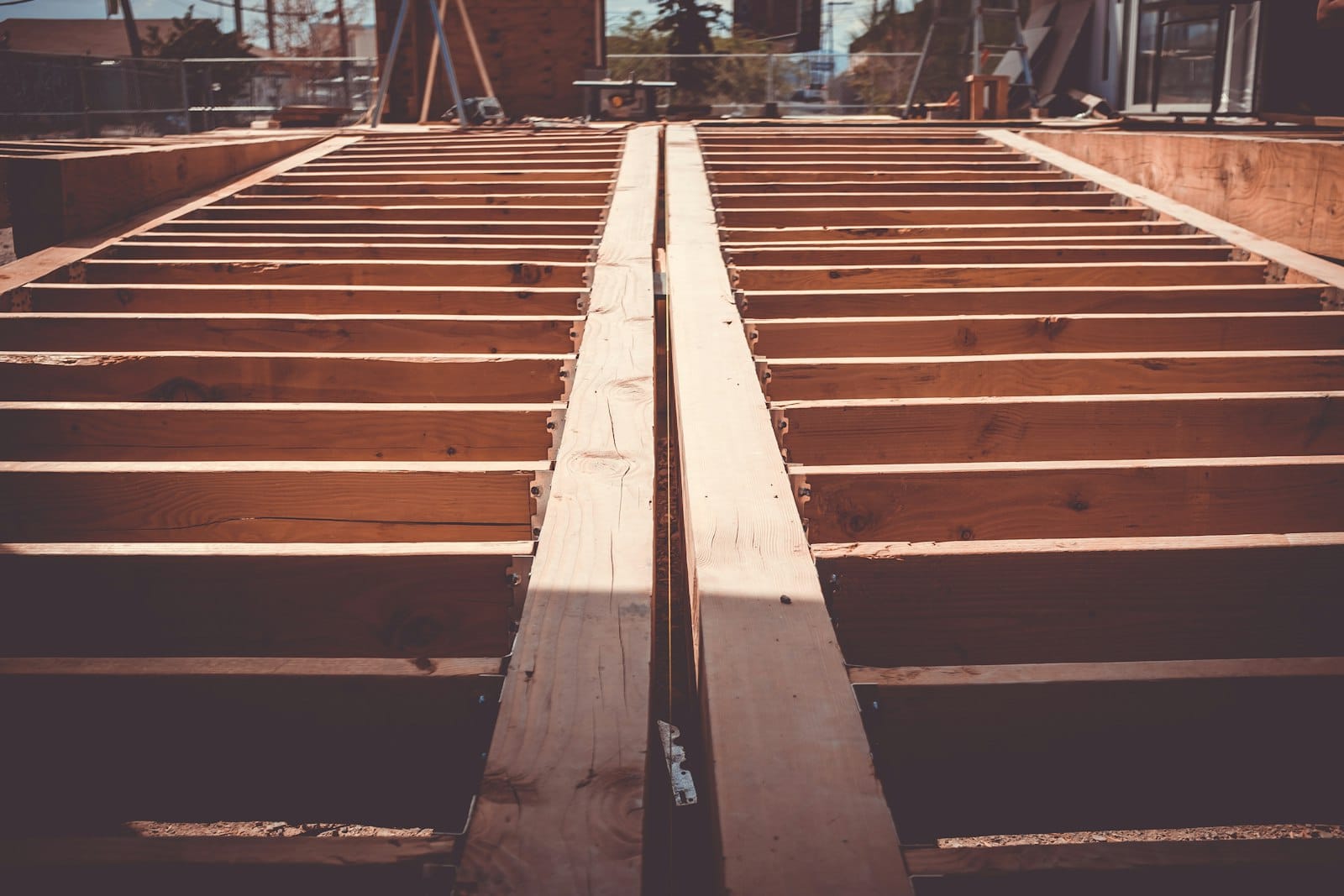
RSG 3-D's non-combustible panel system offers a financially competitive alternative to conventional construction that delivers wildfire, earthquake, and hurricane resilience.
The federal government's retreat from climate adaptation has created a gap in data, funding, and coordination, but a new decentralized ecosystem of nonprofits, state governments, and coalitions is stepping up to fill the void and may prove more resilient to political disruption in the long run.
As federal disaster support shrinks, resilience districts offer local governments a promising new financing tool to fund climate adaptation on their own terms.
The Weekly: Climate Risk Literacy in Commercial Real Estate
Extreme weather, rising insurance premiums, new carbon regulations, and shifting market expectations are pushing commercial real estate (CRE) into uncharted territory.
Insights & ideas on resilience straight to your inbox. Were you forwarded this email? → Subscribe here
Extreme weather, rising insurance premiums, new carbon regulations, and shifting market expectations are pushing commercial real estate (CRE) into uncharted territory. Stakeholders across the value chain—lenders, developers, architects, owners, contractors—are being asked to make decisions that hinge on exposure types that didn't materially affect portfolios a decade ago.
To help the CRE industry navigate this new reality, The Resiliency Company has developed the Risk Mitigation Playbook alongside professionals from over 55 companies. It distills the essential practices that help teams understand their exposure, align on priorities, and make smarter, future-ready decisions.
Here are three takeaways from the Playbook about how to build the risk literacy that makes all other resilient strategies possible.
Make risk a shared language across the team
Every stakeholder in the CRE ecosystem faces different forms of exposure. Risk literacy helps each understand how those exposures intersect. For example, design teams need to know how future heat projections shape materials and cooling requirements. Owners and operators need fluency in insurance market shifts and how premium increases can erode Net Operating Income.
Organizations can build this shared grounding by regularly circulating learning resources: hazard data, emerging regulatory trends, and training materials like ULI’s Introduction to Climate Risk and Resilience course, or the AXA Climate School. When teams know the difference between acute and chronic hazards, or how carbon regulations translate into potential retrofit costs, conversations change. Decisions made early in site selection, procurement, and design start to reflect future conditions, not just historical assumptions.
Transparent conversations about risk help organizations define their acceptable risk tolerance. Stakeholders can align upfront, resolve tradeoffs faster, and avoid costly surprises later in the CRE project lifecycle. This clarity shows up immediately in deal structuring and design decisions.
For instance, NAIOP reports that a large developer used climate-modeling software to map climate hazards across its portfolio. After this analysis, the firm revised both its site-selection strategy andbuilding design, installing reinforced storm shutters and reducing glass facades to withstand extreme winds.
Risk data is dynamic, not static
Risk changes over time. When everyone is on the same page about prioritizing risk management from the outset, it's easier to accurately track cost impacts, such as construction delays due to extreme weather, rising premiums, damage estimates, and business interruption data.
Industrial real estate investment trust Prologis runs a physical risk analysis on its entire global portfolio (looking at flooding, heat, sea level, etc.) and then refreshes that data daily to feed its investment process. JLL did a risk assessment for a retail owner who was preparing to sell, and discovered the property had significant hidden flood exposure. By raising this issue early, the owner could retrofit flood barriers before marketing the building, preserving their investment return.
The first step of many
As insurance markets reprice climate exposure and regulations like SEC climate disclosure requirements expand, organizations that build risk literacy early can refine their enterprise risk strategies year to year, justify investments in resilience and energy performance, and identify which mitigation measures deliver the strongest returns. Awareness creates the essential foundation for action—and every other strategy depends on it.
The California Home Insurance Challenge in Eight Charts | Terner Center | The Terner Center for Housing Innovation at UC Berkeley has put together a data-driven look at how rising natural disaster risk is reshaping home insurance availability and affordability in California, and the implications for homeowners and the housing market.
As Seas Rise, So Do the Risks From Toxic Sites | Inside Climate News | Rising sea levels are threatening to flood or erode land where toxic industrial or waste sites sit, risking widespread contamination and public health crises.
National Grid Utilises AI to Combat Rising Wildfire Risk | Smart Cities World | Massachusetts and New York’s electricity and gas utility company will use AI tools to predict and manage wildfire threats, a proactive step to reduce outages and protect communities as wildfire risk escalates.
Read more about resilient public infrastructure and government solutions on The Epicenter here.
Real Estate & Construction
Floods and Storms Are Ravaging the Jersey Shore. Why Do We Keep Building It Back? | Rolling Stone | Susan Crawford writes for Rolling Stone about how the Jersey Shore keeps rebuilding bigger and pricier after devastating storms and rising seas, despite mounting costs, vanishing federal support, and a future full of floods.
Rebuilding Better After the Marshall Fire | Urban Institute | After a devastating Colorado wildfire, the incentive-based Rebuilding Better program succeeded in promoting more resilient construction. This report from the Urban Institute outlines key lessons from the program.
Read more about resilient real estate on The Epicenter here.
Private Investment
Embracing Climate Resiliency | Infrastructure Investor | Investors are increasingly prioritizing climate resilience, shifting capital toward projects that can withstand extreme weather and long-term environmental changes.
Funding and Financing for Resilience | Insurance for Good | This article explores how communities and organizations can access new financial tools, including grants and private investment, to fund resilience projects aimed at adapting to climate change.
Lessons on Recovery and Resilience in a Survey of L.A. Fire Survivors | The Epicenter Editors | Nine months after the Eaton and Palisades fires, the Department of Angels released a large, community-level survey in October offering a detailed look at how homeowners perceive their recovery experience.
The Commercial Real Estate Climate Imperative: A New Playbook for Navigating Risk | The Epicenter Editors | A coalition including The Resiliency Company, JLL, Ryan Companies, and the Urban Land Institute created the Risk Mitigation Playbook: a practical guide based on real-world experience for those involved in commercial real estate (CRE) development, from lenders to engineers to owners.
Resiliency Spotlight: Nanotech’s Cool Roof and Fire Mitigation Technology | The Epicenter Editors | If $1 invested in disaster prep saves $13, then it’s clear investing in preparedness produces a higher ROI than recovery. But what does that preparation look like? An interview with Nanotech Materials offers an example of resiliency in the category of fortified roofing and building materials.
The Statistic of the Week
45%
45% of commercial real estate leaders plan to only select buildings that are resilient to climate events by 2030, according to a JLL Future of Work survey.
Have thoughts to share or want to add your voice to the conversation? Reach out!
The Epicenter helps decision makers understand climate risks and discover viable resilience solutions. The Epicenter is an affiliated publication of The Resiliency Company, a 501(c)3 nonprofit dedicated to inspiring and empowering humanity to adapt to the accelerating challenges of the next 100+ years.
RSG 3-D's non-combustible panel system offers a financially competitive alternative to conventional construction that delivers wildfire, earthquake, and hurricane resilience.
The federal government's retreat from climate adaptation has created a gap in data, funding, and coordination, but a new decentralized ecosystem of nonprofits, state governments, and coalitions is stepping up to fill the void and may prove more resilient to political disruption in the long run.
Resilience districts give local governments a new financing mechanism to fund climate adaptation, but their success depends on applying a forward-looking, risk-informed approach rather than defaulting to traditional bond financing logic.
The housing affordability crisis and the wildfire crisis aren't distinct challenges. They're a self-reinforcing cycle that requires investing in resilience to break.