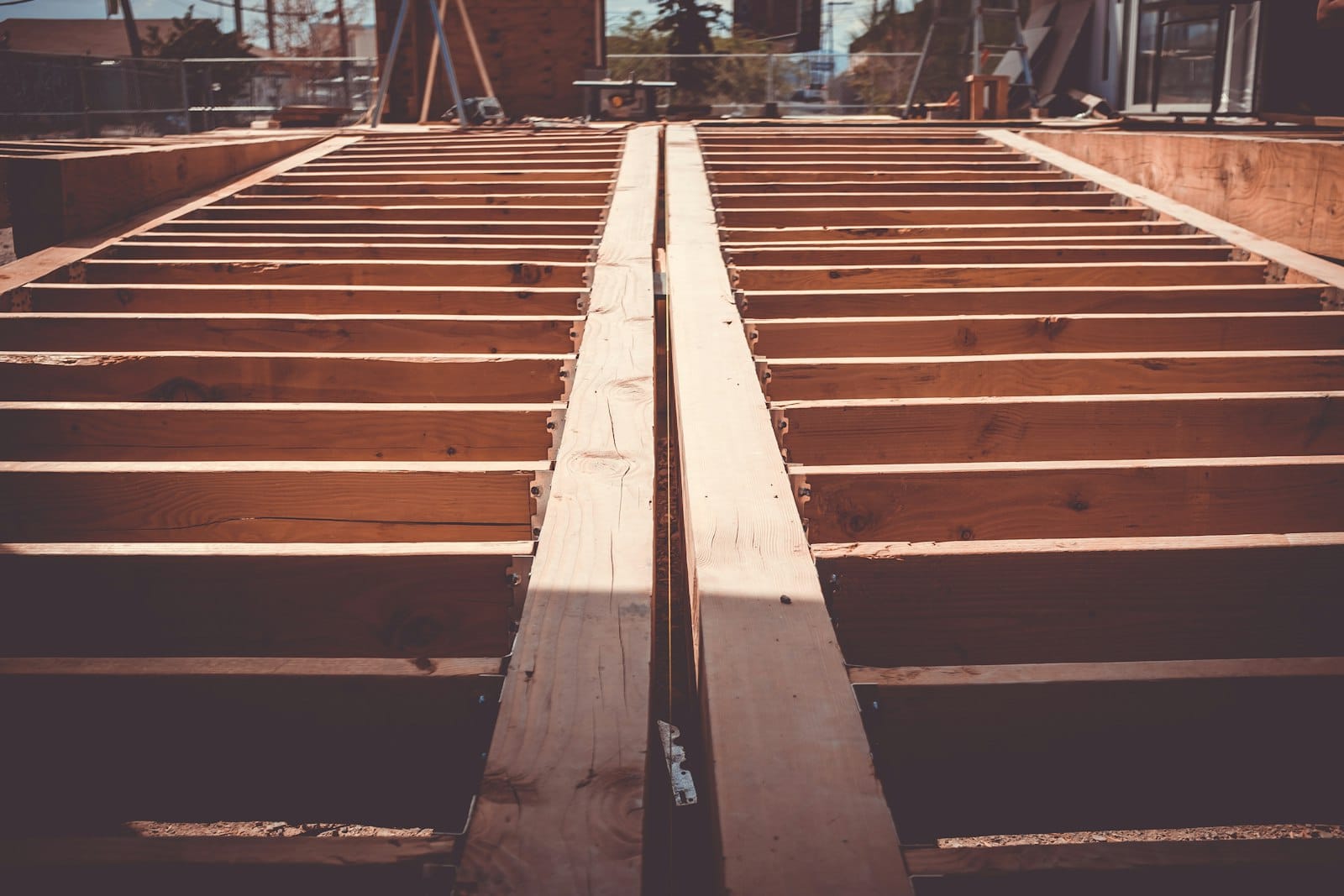
RSG 3-D's non-combustible panel system offers a financially competitive alternative to conventional construction that delivers wildfire, earthquake, and hurricane resilience.
The federal government's retreat from climate adaptation has created a gap in data, funding, and coordination, but a new decentralized ecosystem of nonprofits, state governments, and coalitions is stepping up to fill the void and may prove more resilient to political disruption in the long run.
As federal disaster support shrinks, resilience districts offer local governments a promising new financing tool to fund climate adaptation on their own terms.
The Weekly: Takeaways from 2025’s Climate Disasters
Twenty-three billion-dollar disasters, $115 billion in damage, and not one hurricane: 2025 was a masterclass in how climate risk in the U.S. has changed.
Insights & ideas on resilience straight to your inbox. Were you forwarded this email? → Subscribe here
By Maddie Vann, Executive Editor for The Epicenter and Head of Strategy for The Resiliency Company
Twenty-three billion-dollar disasters, $115 billion in damage, and not one hurricane: 2025 was a masterclass in how climate risk in the U.S. has changed. With no hurricanes making landfall, the year was defined by a few major headlines—the Los Angeles wildfires, sweeping severe storms, and catastrophic Texas floods—that reshaped insurance markets, strained public infrastructure, and altered real estate economics.
Here are three big takeaways from 2025's U.S. disasters:
The L.A. wildfires revealed how a single disaster can simultaneously stress multiple pillars of community resilience. The fires caused $40 billion in insured losses, the largest wildfire insurance loss on record. In response, California's Department of Insurance is proposing regulations that would require insurers to develop comprehensive plans for managing climate and emerging financial risks. Meanwhile, Governor Newsom has attempted to accelerate repair and rebuilding, and the state is in the process of drafting tougher defensible space rules. On the real estate side, recent estimates put the total home value loss at $8.3 billion, and lot values are still 15-20% under pre-fire norms.
The cumulative impact of severe storms demonstrates how repeated 'smaller' events can steadily erode affordability, strain local budgets, and shift insurance risk inland. Twenty-one separate severe storms each caused over $1 billion in damage, resulting in $42 billion in insured losses. Home insurance premiums are rising across the middle of the country, primarily driven by more frequent hail damage, which has implications for many aspects of the real estate sector—roofing material costs, home values, and mortgage lending risk assessments. Severe storms also highlight the need for state-led resilience offices and climate adaptation plans in high-risk areas in the middle of the country, especially as the Federal government increasingly denies assistance requests.
The Texas floods exposed a mismatch between mapped risk and actual vulnerability. With estimated damages in the range of $18-22 billion, the Texas floods were one of the most severe and tragic inland flood events in the country’s history. In the aftermath of the flood, risk modeling company First Street determined FEMA’s flood maps vastly underestimated the risk, and Neptune Research Group found a significant lack of home insurance penetration, even in high-risk flood zones. Both factors have made deciding how to move forward challenging for public officials. The state has, however, provided funding and made investments to speed up recovery and boost future resilience, including upgrades that rely on natural infrastructure.
Two of California’s Largest Home Insurers to Raise Rates by 6.9% This Year | SF Chronicle | CSAA and Mercury Insurance will raise premiums statewide, the first rate increases approved under the state’s Sustainable Insurance Strategy. In exchange, both insurers will expand coverage in wildfire-prone areas and offer new discounts for home-hardening measures.
Why Power Outages Do More Economic Damage Than We Think | Carrier Management | New analysis shows that indirect impacts of power outages, from business interruption to cascading local economic effects, can rival or exceed direct property damage, suggesting insurers may be underestimating risk and the value of resilience investments like grid hardening.
Lincoln Institute Launches Campaign to Redevelop Public Land for Public Good | Lincoln Institute of Land Policy | A new national initiative aims to help local governments and civic partners convert public land into resources that address affordable housing, nature-based solutions, and stormwater management. The campaign highlights how publicly owned land could enhance community resilience.
A Record Wildfire Season Inspires Wyoming to Prepare for an Increasingly Fiery Future | Inside Climate News | After the largest fire in state history scorched tens of thousands of acres, Wyoming communities and firefighters are pushing for increased investment in wildfire mitigation, staffing, and long-term preparedness, even as political debates over budgets and strategy complicate state planning.
Read more about resilient public infrastructure and government solutions on The Epicenter here.
Real Estate & Construction
After the Fire, a Fight to Stay: How Disaster Recovery Is Reshaping Altadena | The Guardian | Altadena residents, especially longtime Black homeowners pushed into fire-prone areas by redlining, are facing displacement driven by insurance shortfalls, rebuilding costs, and real estate speculation. The story shows how unequal recovery and underinsurance can feed “climate gentrification.”
How to Assess Your Home’s Climate Risk | TIME | TIME examines how homeowners can evaluate their exposure to floods, wildfires, heat, and other climate hazards amid shrinking access to public risk data. The piece highlights the growing role of private risk models and the importance of community-wide resilience planning.
Read more about resilient real estate on The Epicenter here.
Private Investment
What Firms Actually Lose (and Gain) from Extreme Weather Event Impacts | SSRN | A recently published study found that extreme weather events caused $2.7 trillion in total firm value losses—most of which were direct asset impacts—between 2005 and 2024. U.S. manufacturers and financial institutions suffered the biggest losses.
This Is Where the Smart Green Tech Money Is Heading in 2026 | Bloomberg | Bloomberg names disaster readiness as a bullish investment area for 2026 as investors show a growing appetite for firms focused on preparedness and response, from post-disaster cleanup to coastal protection infrastructure. As extreme weather worsens, the appetite for funding adaptation will grow.
Severe Storms: Opportunities to Reduce the Costs | The Epicenter Editors | In just a few hours, a severe storm can cause billions worth of damage. Three levers offer opportunities to enhance resilience and reduce the costs of severe storms: 1) Invest in more resilient roofing; 2) Adopt more resilient construction practices; 3) Invest in new innovations and technologies.
A Fiduciary Duty: Why the Housing Market Must Invest in Resilience | Alexis M. Pelosi | From stormwater systems to flood mitigation projects, we must redefine community-level investments in resilience not as a municipal cost, but rather as a direct investment in preserving property values and stabilizing the private cost of homeownership.
The Statistic of the Week
50-80%
50-80% of homeowner insurance claims after severe convective storms are due to hail damage. Hailstones may be getting larger due to climate change.
Have thoughts to share or want to add your voice to the conversation? Reach out!
The Epicenter helps decision makers understand climate risks and discover viable resilience solutions. The Epicenter is an affiliated publication of The Resiliency Company, a 501(c)3 nonprofit dedicated to inspiring and empowering humanity to adapt to the accelerating challenges of the next 100+ years.
RSG 3-D's non-combustible panel system offers a financially competitive alternative to conventional construction that delivers wildfire, earthquake, and hurricane resilience.
The federal government's retreat from climate adaptation has created a gap in data, funding, and coordination, but a new decentralized ecosystem of nonprofits, state governments, and coalitions is stepping up to fill the void and may prove more resilient to political disruption in the long run.
As federal disaster support shrinks, resilience districts offer local governments a promising new financing tool to fund climate adaptation on their own terms.
Resilience districts give local governments a new financing mechanism to fund climate adaptation, but their success depends on applying a forward-looking, risk-informed approach rather than defaulting to traditional bond financing logic.