

The Weekly: The Rising Costs of Severe Convective Storms
Several drivers are contributing to the rise in expensive severe convective storms: 1) population growth in high-risk areas; 2) non-resilient physical assets; and 3) rising building premiums.
Several drivers are contributing to the rise in expensive severe convective storms: 1) population growth in high-risk areas; 2) non-resilient physical assets; and 3) rising building premiums.

Population growth in areas prone to severe storms has increased asset exposure and the physical assets in harm's way are not designed to withstand high winds or hail. Meanwhile, building premiums to rebuild after severe storms are increasing.
In this edition of The Weekly, we share a condensed version of a new article by Abby Ross, CEO of The Resiliency Company, on the four convictions underpinning the opportunities in the Adaptation Economy.
Several drivers are contributing to the rise in expensive severe convective storms: 1) population growth in high-risk areas; 2) non-resilient physical assets; and 3) rising building premiums.

Late last night, severe thunderstorms rolled through much of the Midwest, dropping large hail and heavy rain across the region. Flooding is impacting parts of central Ohio this morning, and flood warnings are likely to persist through Friday evening.
This latest storm system follows what has already been a busy month for severe weather in the Midwest, drawing attention to the dynamics at play that make severe storms increasingly costly for communities nationwide.
Since 1980, roughly one in every two billion-dollar disasters in the U.S. has been a severe convective storm, defined as a storm producing high wind gusts exceeding 58 mph, a tornado, or hail. In 2025, 21 of the 23 billion-dollar disasters were severe convective storms, causing $51 billion in total U.S. damages. Globally, these disasters accounted for $61 billion of the $170 billion in total insured natural catastrophe losses, the third-highest severe convective storm total on record.
Several drivers are contributing to the rise in expensive severe storms:
Cost Driver #1: Population growth in areas prone to severe storms has increased asset exposure
Population growth has concentrated more people and assets in storm-prone corridors. Texas, one of the most hail-battered states in the country, grew 40% over the last two decades and continues to lead the nation in population growth. The South accounted for 87% of the U.S.’s total population growth in 2023 and added 1.2 million residents in 2025 alone. That influx has fueled new construction and development. A storm that once would have touched down in an empty field is now hitting a subdivision.
Cost Driver #2: The physical assets in harm's way are not designed to withstand high winds or hail
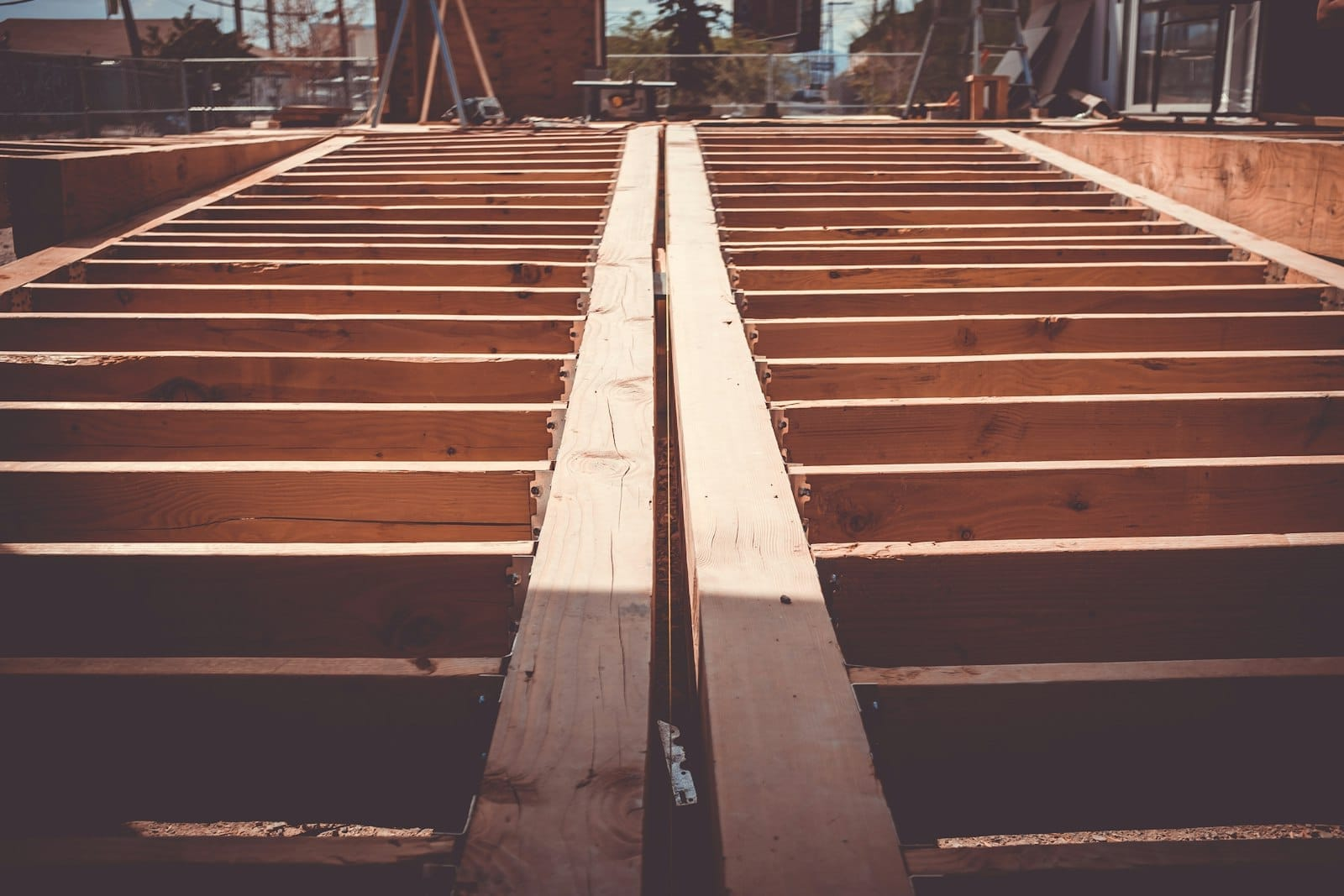
In 2022, State Farm reported that 80% of the company’s total claims paid for hail damage went to homeowners, and the overwhelming majority were for standard roofs that, in hail-prone areas, last half as long as roofs elsewhere (7-10 years vs. 20 years). Add to that aging windows, garage doors that aren’t wind-rated, unscreened HVAC units, and an expanding inventory of hail-vulnerable solar panels (on 7% of U.S. homes today, projected to double by 2030), and risk exposure grows.
Cost Driver #3: Building premiums to rebuild after severe storms are increasing
The cost to rebuild is also making storms more expensive. According to Swiss Re, building costs are rising faster than the overall rate of inflation, which leads to higher reconstruction costs and higher claims. Meanwhile, the average claim amount is increasing as the value of assets increases.
Where to Go From Here
No panacea can dramatically reduce the costs of severe storms. More people and assets in places that are likely to experience severe storms translates into higher costs. But there are steps that the private sector can take to fortify the assets across America’s heartland where such storms are most common.
These opportunities to enhance resiliency and reduce costs, outlined in our Severe Storms Briefing Part II, include: 1) investing in more resilient roofing; 2) adopting more resilient construction practices; and 3) investing in new innovations and technologies.
For a full breakdown of the growing costs of severe storms, read our updated Severe Storms Hazard Briefing here.
Read more about insurance on The Epicenter here.
Read more about resilient public infrastructure and government solutions on The Epicenter here.
Read more about resilient real estate on The Epicenter here.
Read more about private investment on The Epicenter here.

One in three
Nearly one in three homeowners surveyed by Insurify said they would drop their insurance coverage altogether if costs keep climbing.
Source: Insurance Journal.
Have thoughts to share or want to add your voice to the conversation? Reach out!
The Epicenter helps decision makers understand climate risks and discover viable resilience solutions. The Epicenter is an affiliated publication of The Resiliency Company, a 501(c)3 nonprofit dedicated to inspiring and empowering humanity to adapt to the accelerating challenges of the next 100+ years.

Population growth in areas prone to severe storms has increased asset exposure and the physical assets in harm's way are not designed to withstand high winds or hail. Meanwhile, building premiums to rebuild after severe storms are increasing.

Twenty-three billion-dollar weather and climate disasters struck the United States in 2025, revealing important takeaways for decision-makers in the real estate, public infrastructure, and insurance sectors.


Unexpected disasters are causing damage in unlikely places, forcing decision-makers in the public and private sectors to prepare for the most common disasters in their region as well as the rare, once-in-a-hundred-year ones. But strategies exist to help decision-makers prepare for the unexpected.

Across the U.S., the average annual total costs of earthquakes is $14.7 billion, with the average earthquake costing between $1.5 to $3 billion. Adopting the latest seismic resilience codes can make buildings more earthquake-resistant and financial instruments can help communities rebuild quickly.