

The Weekly: Hurricane Isaias Is a Test of the Gulf Coast’s Bet on Hardened Homes
Florida and Alabama have spent hundreds of millions fortifying homes. Isaias is the first mainland hurricane to test that resilience since 2024.
Florida and Alabama have spent hundreds of millions fortifying homes. Isaias is the first mainland hurricane to test that resilience since 2024.

Resilience benefits are often spread so widely that no single payer sees the payoff. New models and policies are starting to close that gap.
Two years ago, sessions on resilience were hard to find at Climate Week NYC. This year, they were everywhere.
Builders have the power to influence how resilient a home rebuild is.

In the months after the 2021 Marshall Fire in Colorado, builders played a significant role in influencing whether homes were rebuilt to resilient standards.
At times, builders pushed homeowners to consider more resilient upgrades and options. At other times, they nudged homeowners toward standard packages optimized to streamline the building process and keep costs low.
University of Colorado researchers who interviewed Marshall Fire survivors found three builder characteristics that influenced the resilience of home rebuilds:
Across the country, when builders are experienced in building to resilient standards and treat them as the default option, more homes are rebuilt to those standards. After the Marshall Fire, researchers found that Colorado homeowners leaned on their builder’s expertise to guide them through the rebuilding process.
In recent Epicenter articles, we’ve seen evidence that resilience is the result of coordination across various actors in an ecosystem. For public finance and resilient infrastructure, Matt Posner, the head of public finance for The Resiliency Company, explained that “resilience is a coordination problem, not a cost-benefit problem. No single actor has authority to move the whole system.”
For the recovery and rebuilding process in Los Angeles, Jonathan Dromgoole, the strategy, partnerships, and operations lead for Resilient LA, argued that “we need better coordination of what already exists.”
The same is true of the coordination between homeowners, homebuilders, lenders, insurers, and frameworks like the Insurance Institute for Business & Home Safety’s Wildfire Prepared set of building standards. When these stakeholders work together, the resilient standard can become the default package.

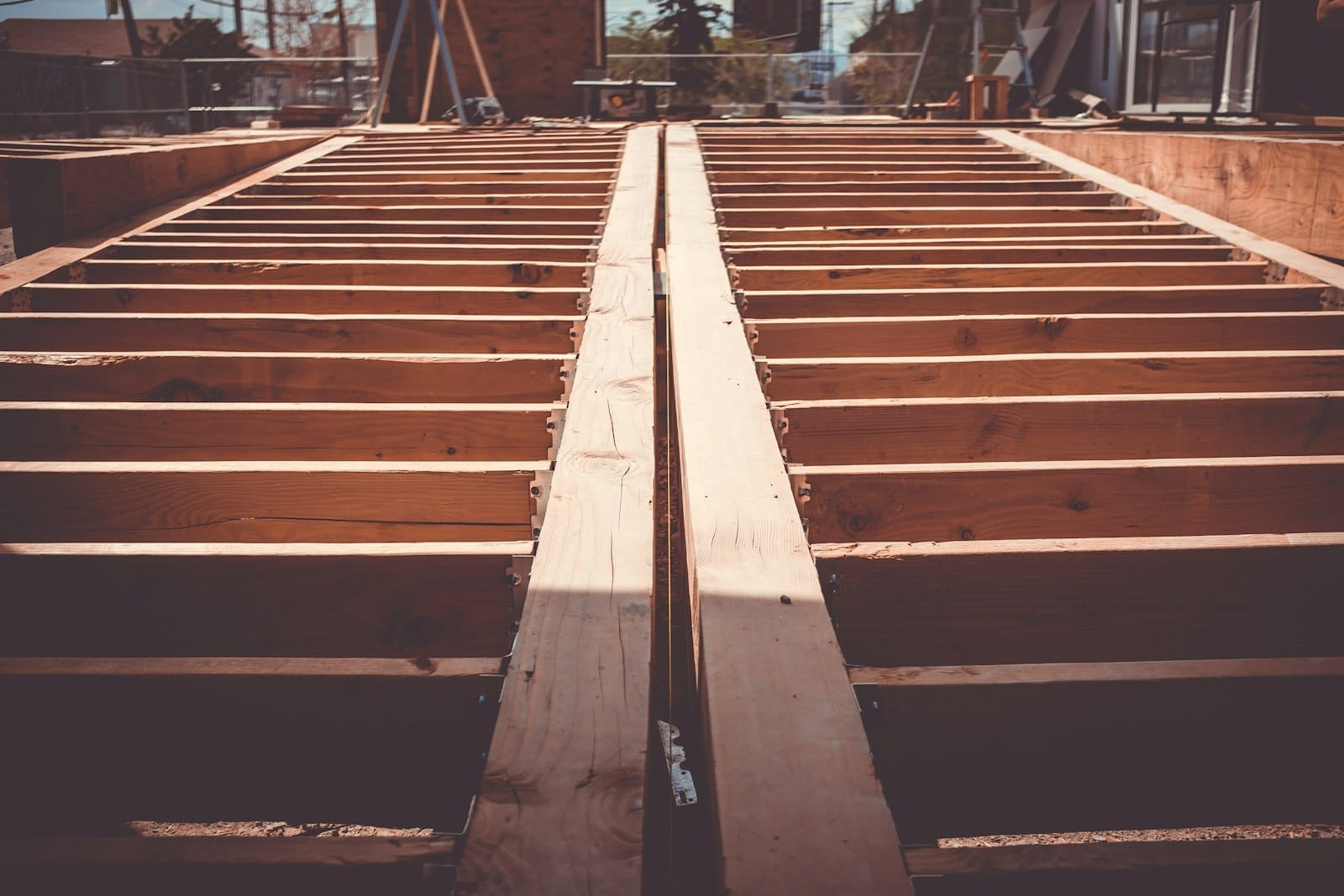
Read more about resilient public infrastructure and government solutions on The Epicenter here.
Read more about resilient real estate on The Epicenter here.
$1.29 billion
In the first half of 2026, climate adaptation technology companies raised $1.29 billion. Check out the chart at the link below that breaks it down by “solutions area.”
Source: Climate Proof and Climate Tech Navigator
Have thoughts to share or want to add your voice to the conversation? Reach out!
The Epicenter helps decision-makers understand climate risks and discover viable resilience solutions. The Epicenter is an affiliated publication of The Resiliency Company, a 501(c)3 nonprofit dedicated to inspiring and empowering humanity to adapt to the accelerating challenges of the next 100+ years.

Florida and Alabama have spent hundreds of millions fortifying homes. Isaias is the first mainland hurricane to test that resilience since 2024.

Two years ago, sessions on resilience were hard to find at Climate Week NYC. This year, they were everywhere.

Municipal markets overlook the cost of aging infrastructure. New tools can help cities size their reserve funds against their actual exposure.

To address the housing crisis in the U.S., we need a three-part strategy for centering resilience.