

The Weekly: Hurricane Isaias Is a Test of the Gulf Coast’s Bet on Hardened Homes
Florida and Alabama have spent hundreds of millions fortifying homes. Isaias is the first mainland hurricane to test that resilience since 2024.
Florida and Alabama have spent hundreds of millions fortifying homes. Isaias is the first mainland hurricane to test that resilience since 2024.

Resilience benefits are often spread so widely that no single payer sees the payoff. New models and policies are starting to close that gap.
Two years ago, sessions on resilience were hard to find at Climate Week NYC. This year, they were everywhere.
Florida and Alabama have spent hundreds of millions fortifying homes. Isaias is the first mainland hurricane to test that resilience since 2024.

This is our last call for The Epicenter audience survey. It's short—just 3 minutes of your time! Your input will go a long way toward shaping future content and ensuring The Epicenter delivers value for readers like you.
Hurricane Isaias made landfall in Florida on October 9 as a Category 2 hurricane, the first mainland U.S. hurricane landfall since Milton in 2024. It arrived in the later stages of a hurricane season suppressed by El Niño, which typically curtails Atlantic hurricane activity.
Isaias was still able to become powerful quickly. Cotality, a global provider of property information, estimated post-landfall insured wind and storm surge losses at $2 billion to $3 billion.
The Epicenter’s two-part hurricane briefing explains why hurricanes are the most costly type of climate disaster and which levers can reduce their financial impacts. Isaias is a strong illustration of the drivers that make hurricanes such an expensive type of disaster: more people and property are located in coastal areas in the path of hurricanes. It is also a test of one of the primary risk mitigants: fortifying buildings against wind and water to reduce damages.
Population growth in hurricane-prone areas has increased asset exposure, leading to more expensive storms. Between 1970 and 2020, the population in coastal counties across the United States increased by 40 million people, or approximately 46%.
The Gulf Coast is no different: almost every coastal county (paywalled) from Mississippi to the Florida Panhandle grew faster than most other U.S. counties in 2025. Before Hurricane Isaias’s landfall on the Panhandle, 777,000 homes across eight counties under a hurricane warning faced a moderate or greater risk of wind damage, with a combined projected reconstruction cost of $241.6 billion. In Florida, home prices have increased 46% in just the last five years.
As the population of coastal communities has grown, so has the value of physical assets in harm’s way. Nationally, there are more than 33 million residential properties that face a moderate or greater risk of sustaining damage from hurricane-force winds, with a projected reconstruction cost of $12.26 trillion for wind damage and $2.1 trillion for storm surge (a metric known as Reconstruction Cost Value (RCV)). There are also 6.4 million residential properties nationally with a combined RCV of $2.2 trillion at moderate or greater risk of sustaining damage from storm surge flooding.
Fortifying assets reduces hurricane damages and costs. Buildings in Florida that adhered to more resilient building standards suffered less damage than those built to older codes following 2022's Hurricane Ian, according to a 2023 study by the reinsurer Swiss Re. And it's not only residential property being hardened. For example, less than two months before Isaias arrived, the city of Gulf Breeze in Florida finished a $7.2 million utility undergrounding project, removing 70 utility poles and nearly two miles of overhead wire, with the aim of reducing power outages and transmission repair costs.
States have also taken steps to subsidize and incentivize resilience. Florida’s My Safe Florida Home program offers free wind mitigation inspections and up to $10,000 per household for upgrades, from roof deck attachments to window protection. It has provided more than 41,000 grants totaling almost $400 million in recent years. In Alabama, the Strengthen Alabama Homes program provides grants of up to $10,000 to bring roofs to the Insurance Institute for Business & Home Safety (IBHS) FORTIFIED standard, and most carriers in the state offer discounts on the wind portion of premiums of up to 55% for FORTIFIED homes. An analysis from the Alabama Department of Insurance found that FORTIFIED-designated construction performed better than conventional construction during 2020's Hurricane Sally, recording between 55% and 74% lower loss frequency.
Isaias offers a chance to see how those investments hold up. In the coming weeks, damage assessments and claims data will show policymakers, insurers, private investors, and homeowners how hardened roofs and infrastructure performed versus less resilient assets. As hardening races against population growth in hurricane-prone areas, each storm offers new data about whether retrofit programs and incentives can scale fast enough to keep up with exposure.
For more on the costs of hurricanes and the levers to reduce cost, read Hurricanes: Why They're So Destructive and Expensive and Hurricanes: Opportunities for the Private Sector.

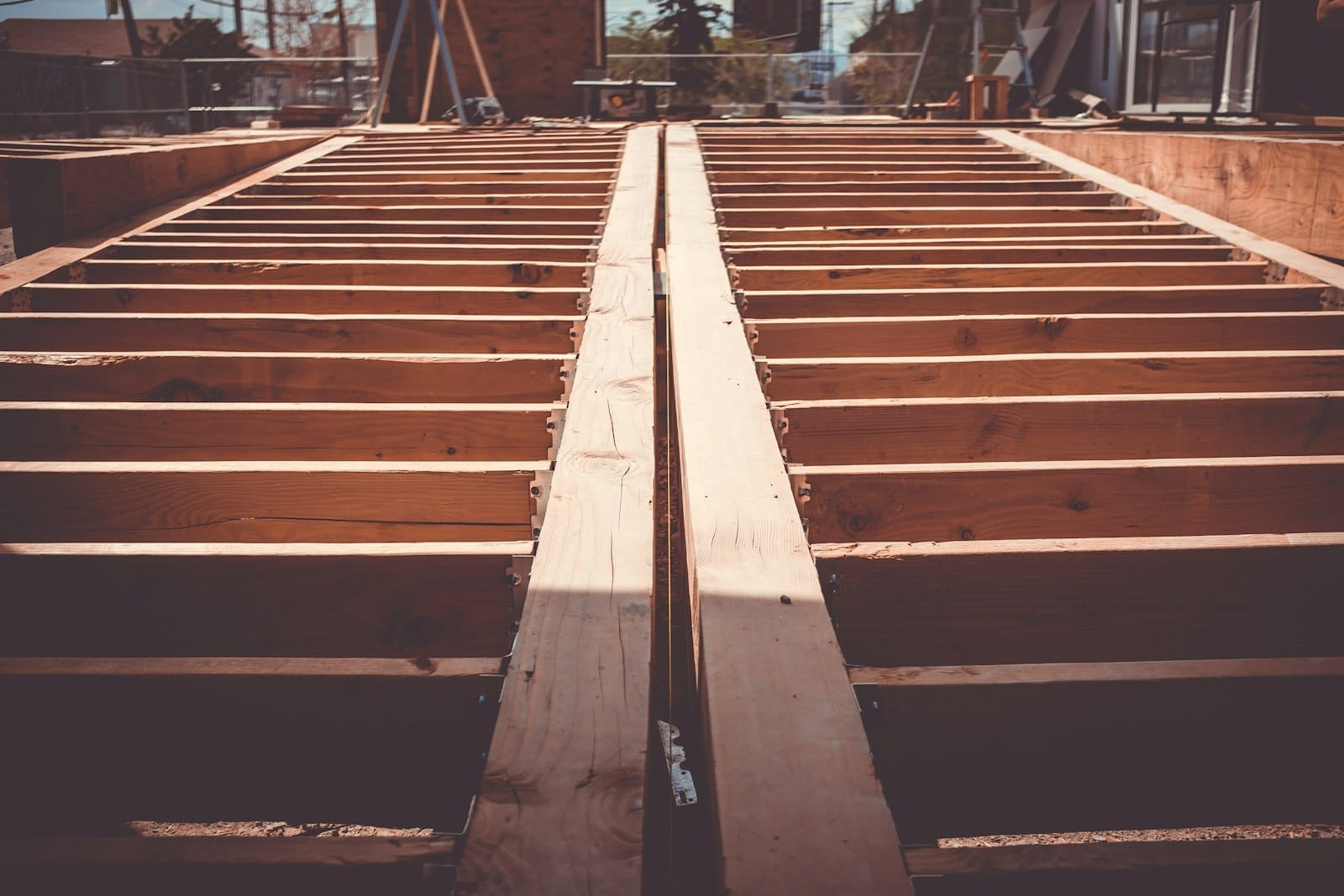
Read more about resilient public infrastructure and government solutions on The Epicenter here.
Read more about resilient real estate on The Epicenter here.
52%
In FTSE Russell’s 2026 survey of 402 global asset owners, 52% said they consider climate risk in strategic asset allocation, up from 36% in 2025.
Source: FTSE Russell
Have thoughts to share or want to add your voice to the conversation? Reach out!
The Epicenter helps decision-makers understand climate risks and discover viable resilience solutions. The Epicenter is an affiliated publication of The Resiliency Company, a 501(c)3 nonprofit dedicated to inspiring and empowering humanity to adapt to the accelerating challenges of the next 100+ years.

Resilience benefits are often spread so widely that no single payer sees the payoff. New models and policies are starting to close that gap.

Two years ago, sessions on resilience were hard to find at Climate Week NYC. This year, they were everywhere.

Municipal markets overlook the cost of aging infrastructure. New tools can help cities size their reserve funds against their actual exposure.

To address the housing crisis in the U.S., we need a three-part strategy for centering resilience.