
The Weekly: Alabama Used Five Financing Levers to Scale Resilient Building Standards Across the State
Alabama’s approach to scaling the FORTIFIED standard has become a blueprint nationwide.
Alabama’s approach to scaling the FORTIFIED standard has become a blueprint nationwide.

Alabama used five financing levers to get insurers and homeowners to pay for FORTIFIED roofs.
Florida and Alabama have spent hundreds of millions fortifying homes. Isaias is the first mainland hurricane to test that resilience since 2024.
Alabama’s approach to scaling the FORTIFIED standard has become a blueprint nationwide.

When Hurricane Sally hit Alabama’s Gulf Coast in 2020, homes with FORTIFIED roofs filed 55% to 74% fewer insurance claims than conventional homes. That result traces back to decisions the state started making 15 years earlier.
A new case study from Duke’s Nicholas Institute for Energy, Environment & Sustainability and The Resiliency Company explores the levers Alabama applied over nearly two decades to turn the extensive damage from repeated hurricanes into a new approach to fortify roofs and reduce damages.
An article published today on The Epicenter examines the five financing and policy tools that enabled FORTIFIED, a construction standard developed by the Insurance Institute for Business & Home Safety (IBHS), to scale across the state—and how Alabama’s approach to resilient roofing and construction is becoming a blueprint for the nation.
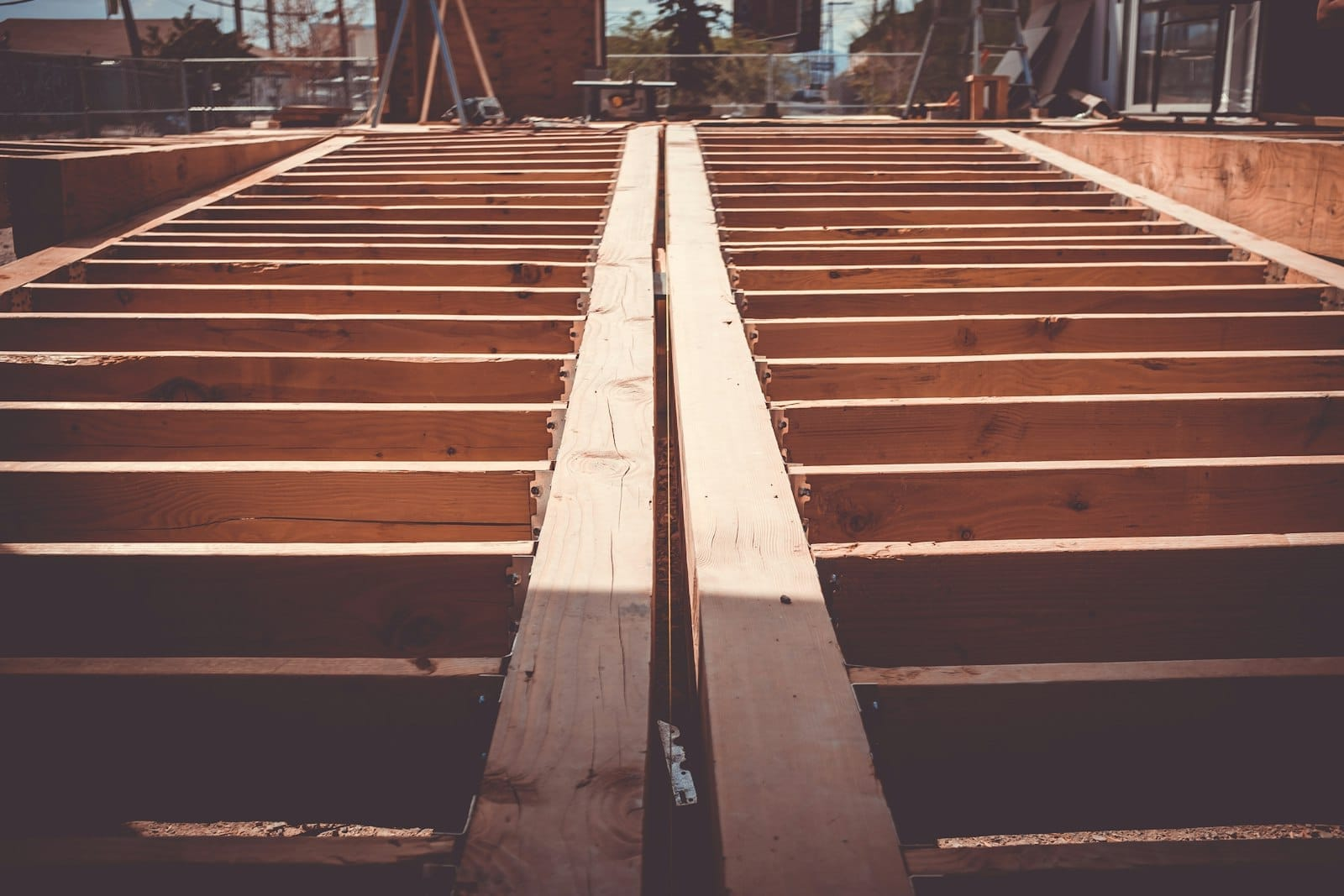
Researchers could measure how FORTIFIED roofs performed in Hurricane Sally because, by 2020, Alabama had fortified enough coastal homes to compare against conventional construction. To reach that scale, Alabama combined five financing and policy levers that enabled homeowners to adopt the FORTIFIED standard.
Strengthen Alabama Homes (SAH) is the state’s grant program for FORTIFIED roof upgrades, administered by the Alabama Department of Insurance. Starting in 2016 in Mobile and Baldwin counties, SAH began offering grants of up to $7,500. Now, grants run up to $10,000 per home, with no income threshold. The grants are funded by insurance department regulatory and licensing fees, plus authorized transfers from the Insurance Department Fund. The program requires IBHS-certified evaluators, approved contractors, and certification before payment. Since 2016, SAH has awarded roughly $86 million to retrofit about 8,700 homes, contributing to more than 53,000 FORTIFIED designations statewide.
In 2009, Alabama created the first mandatory insurance discounts for FORTIFIED construction in Mobile and Baldwin counties. In 2015, the Alabama Legislature passed SB 254, creating required, statewide FORTIFIED insurance discounts. Now, discounts are commonly 15% to 35% depending on the FORTIFIED tier. The state sets the benchmark, which makes discounts consistent across carriers and easier for homeowners to understand. By lowering premiums after the work is done, the discount creates “a clear financial incentive for homeowners to pursue resilient construction,” according to the case study.
In 2019, Alabama passed HB 283, which required insurers to offer a FORTIFIED roof endorsement. Normally, when a storm destroys a roof, an insurance policy pays to replace it with a roof that meets the local building code. The Stronger Roof Endorsement is an optional add-on that costs the homeowner slightly more in premium. It covers the extra cost of rebuilding to the FORTIFIED standard. Insurers must offer this optional endorsement on new policies for non-FORTIFIED homes, and at the first renewal of existing ones.
Alabama provides a state income tax deduction for homeowners who self-finance retrofits, including to the FORTIFIED standard. The deduction allows households that pay for hurricane and wind-resilience upgrades themselves to deduct 50% of retrofit costs, up to $3,000 per property. The deduction “[reduces] the effective cost of resilience investment,” according to the case study, and works best for households with enough disposable income to pay upfront and enough tax liability to benefit. The current policy refines 2011’s SB 395, which created a retrofit tax deduction for hurricane and wind-resilience upgrades, without mentioning FORTIFIED standards.
Since 2012, Alabama has allowed homeowners to open catastrophe savings accounts: dedicated savings accounts, labeled as such at the bank, where they can set money aside for storm-related costs. Contributions can be deducted from state income taxes, and the account’s interest is exempt from state tax, too. The accounts were originally meant to cover uninsured windstorm costs, chiefly insurance deductibles, making them a disaster-recovery tool. Recent legislative changes expanded eligible uses to include premiums for the Stronger Roof Endorsement and other resilience-related costs, so homeowners can now use the tax-exempt money to protect a home before a storm hits. The Nicholas Institute-Resiliency Company case study frames this as a shift from a disaster-recovery tool to “a pre-disaster resilience financing tool” that “aligns financial preparedness with physical risk reduction.”
~~
In May 2026, IBHS announced that FORTIFIED passed 100,000 designations across 34 states, with more than 20,000 issued in 2025. Several states have borrowed Alabama’s levers or developed their own. To go deeper and understand how Alabama’s success with FORTIFIED has scaled nationwide, read the full article.

Read more about resilient public infrastructure and government solutions on The Epicenter here.
Read more about resilient real estate on The Epicenter here.
57
57 California dams are in poor or unsatisfactory condition, creating a possible risk to public safety as El Niño threatens heavier rain.
Source: CalMatters
Have thoughts to share or want to add your voice to the conversation? Reach out!
The Epicenter helps decision-makers understand climate risks and discover viable resilience solutions. The Epicenter is an affiliated publication of The Resiliency Company, a 501(c)3 nonprofit dedicated to inspiring and empowering humanity to adapt to the accelerating challenges of the next 100+ years.

Alabama used five financing levers to get insurers and homeowners to pay for FORTIFIED roofs.

Florida and Alabama have spent hundreds of millions fortifying homes. Isaias is the first mainland hurricane to test that resilience since 2024.

Two years ago, sessions on resilience were hard to find at Climate Week NYC. This year, they were everywhere.

Municipal markets overlook the cost of aging infrastructure. New tools can help cities size their reserve funds against their actual exposure.